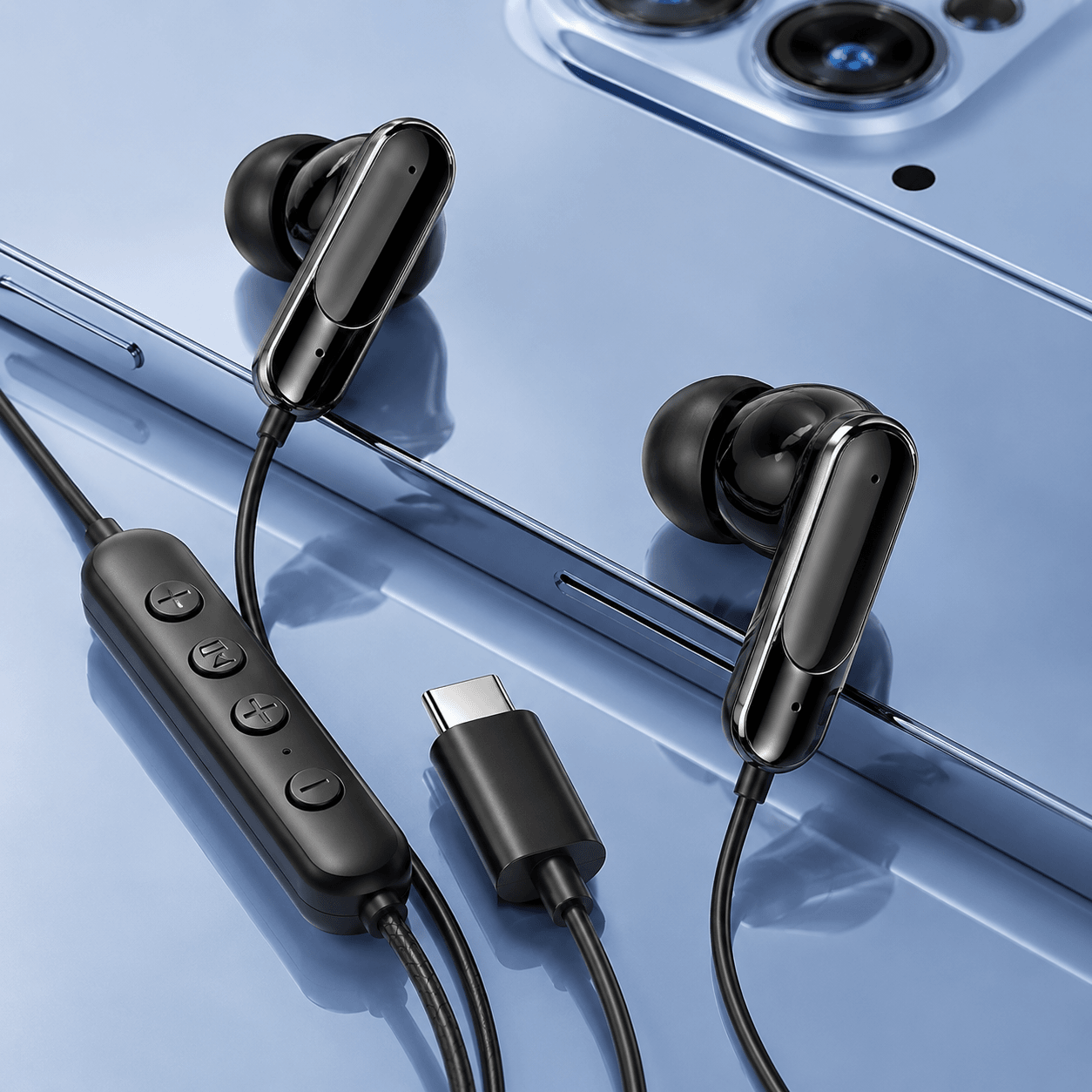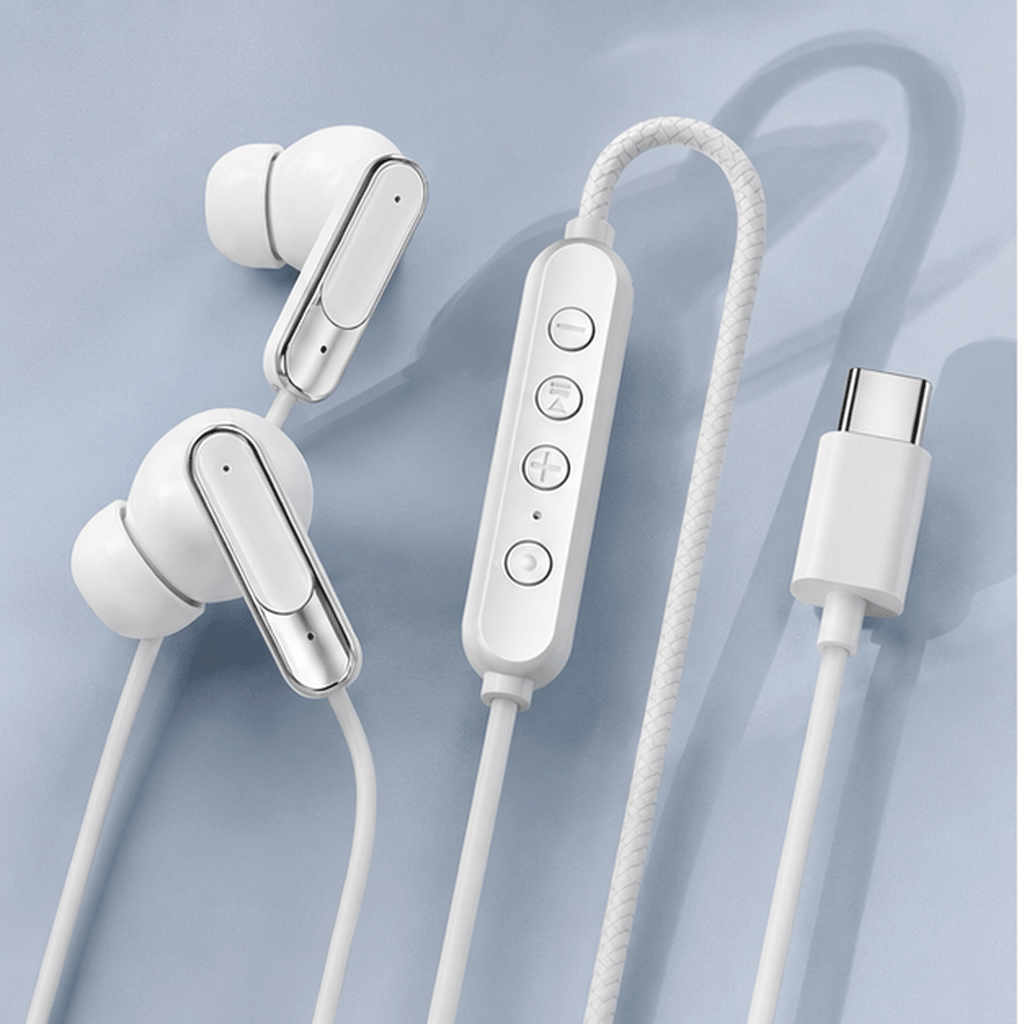
Wireless earbuds provide freedom of movement but add pairing, connection, and charging steps. Wired ANC earbuds take a different approach: a physical connection creates a stable audio path, while a separate noise-cancellation module reduces continuous ambient noise. Connect them to a compatible device and enable ANC to begin, making them suitable for study, office work, entertainment, and long journeys where simple setup and dependable connectivity matter. Their return shows that different connection methods serve different use cases.
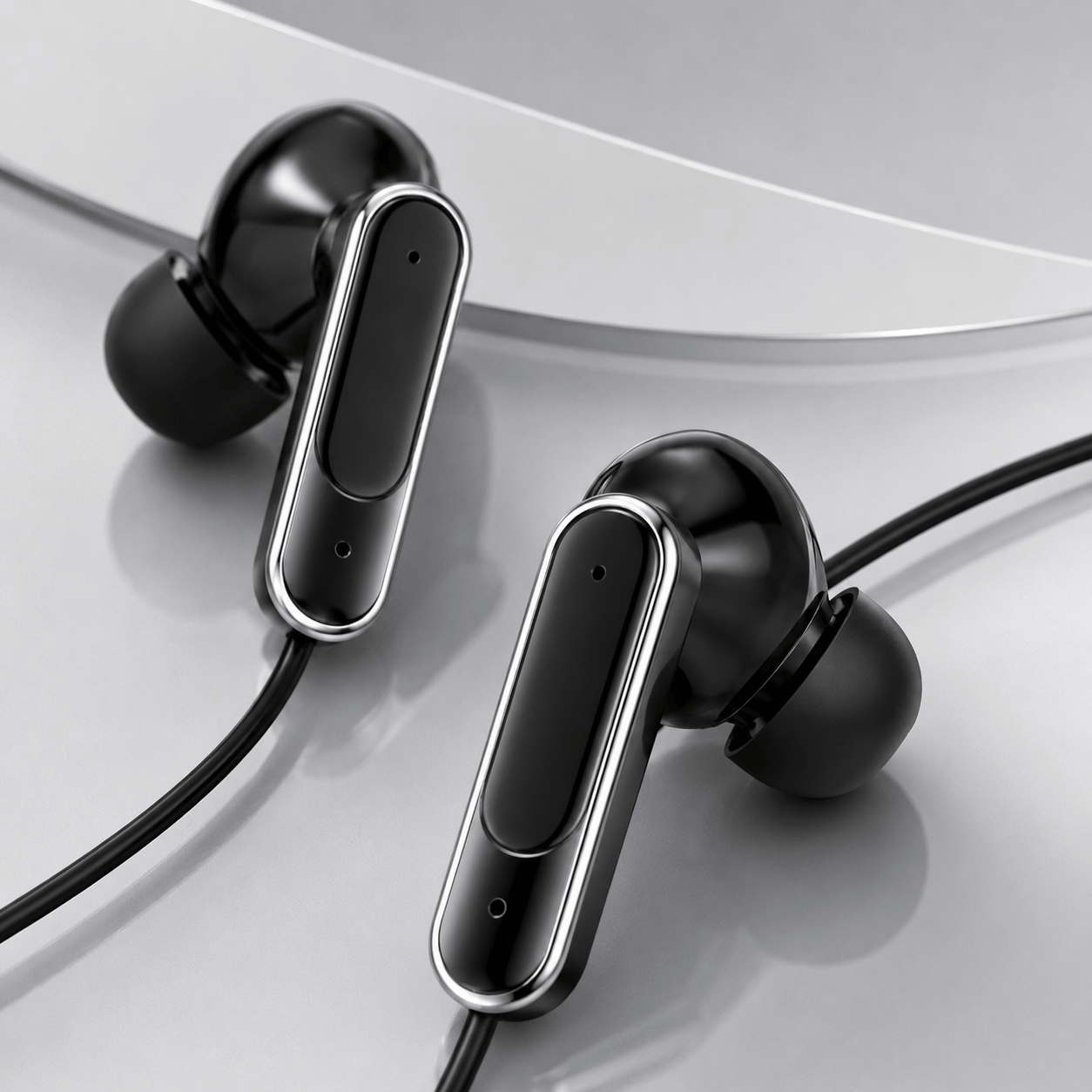
Plug-and-play operation is the clearest advantage of a wired design. It requires no wireless pairing and is generally unaffected by congestion from nearby wireless devices, making stable audio/video synchronization easier for video, online learning, and basic recording. Compatibility still depends on the plug, device port, and adapter. As some phones no longer include a traditional headphone jack, brands should define target devices and evaluate 3.5 mm, USB-C, or other connection options before launch.
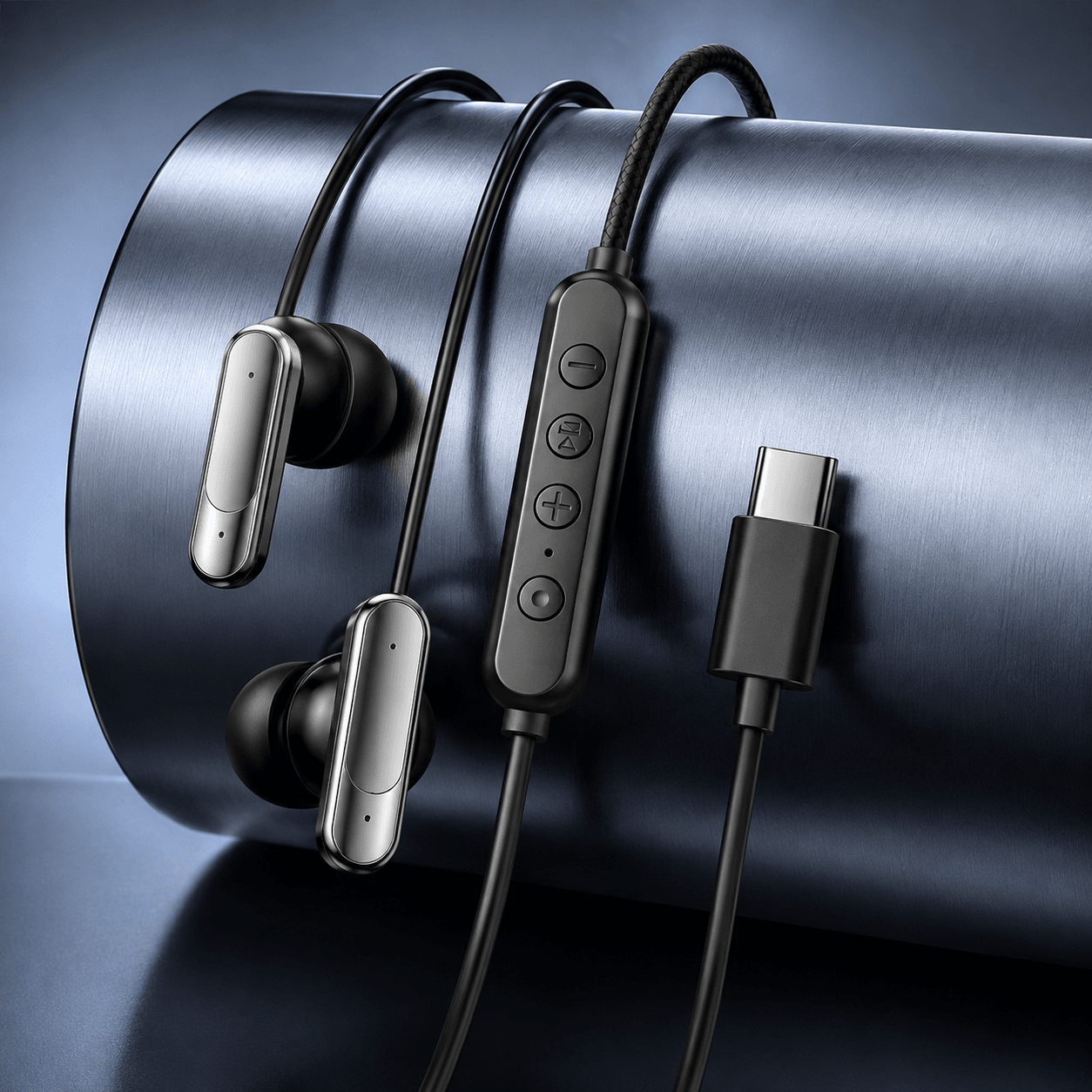
The focused listening experience depends on both active noise cancellation and the in-ear design. Ear-tip size and fit affect passive isolation, while the noise-cancellation algorithm is better suited to relatively steady low-frequency sounds such as transport and air-conditioning noise. It cannot remove every sound, so users should remain alert around roads, platforms, and similar environments. The acoustic driver, cable-contact noise, control-module position, and microphone pickup must also be optimized together so that voices and music sound natural with ANC both on and off, without sacrificing basic sound quality in pursuit of quiet.

Wired ANC earbuds can be positioned as a focus tool, a travel backup, or an accessory for education. Their lightweight form is easy to store, while a physical switch makes the operating state clear. Cable colors, controller design, storage cases, and packaging can be customized for the brand. Their value lies in direct operation, reliable connectivity, and clear use cases rather than competing with every wireless product. Noise cancellation, power requirements, interface compatibility, and sound characteristics must be tested with the final hardware and stated clearly in the product documentation.