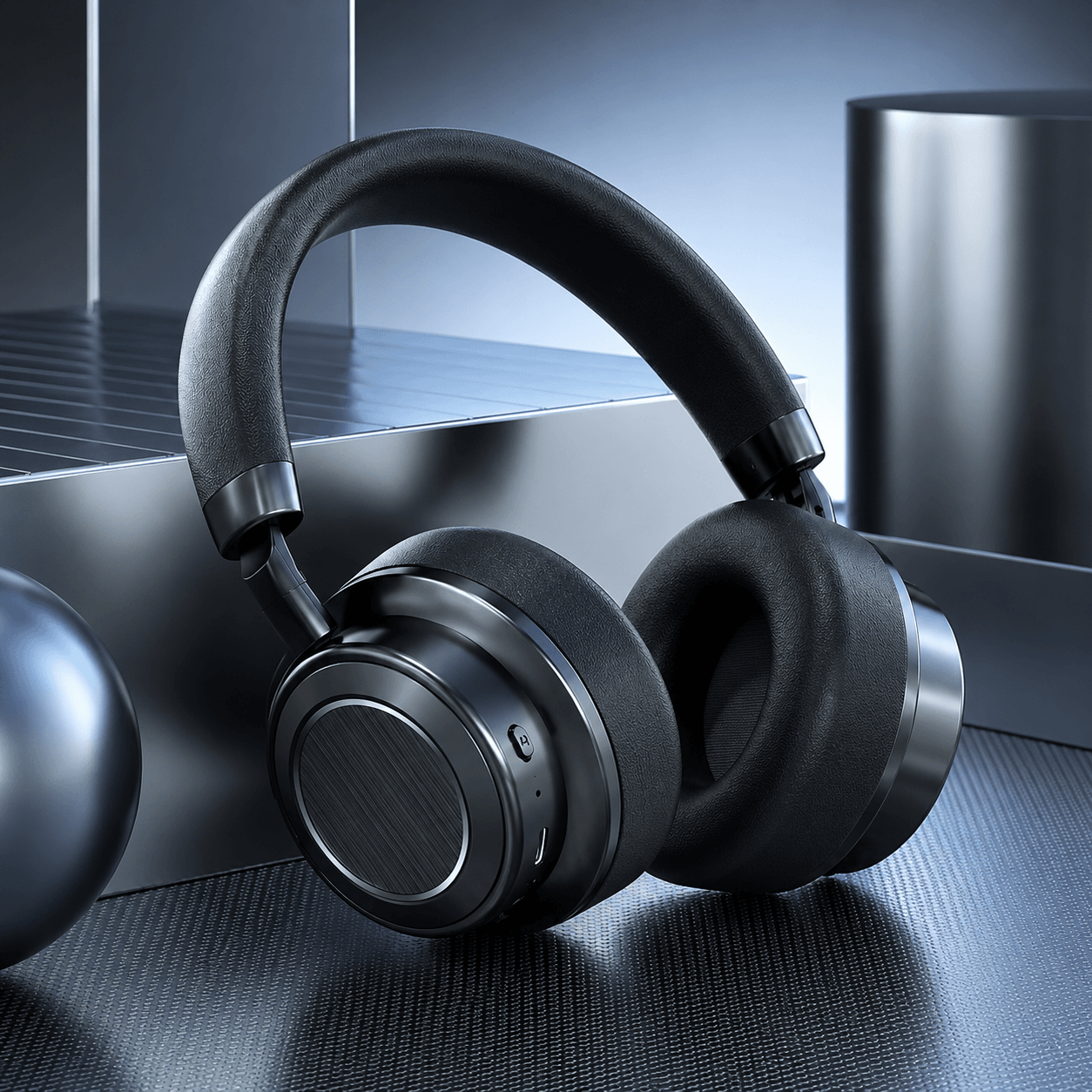
Background noise on trains, aircraft, in shared offices, and at home has increased demand for a controllable personal sound space. ANC captures ambient sound through microphones and generates an opposing signal to reduce some continuous noise, particularly stable low-frequency sounds from transport and air conditioning. An over-ear structure combines physical coverage with electronic cancellation for greater immersion. ANC cannot remove every sound, and performance with sudden alerts, voices, and high frequencies varies by product, fit, and environment.
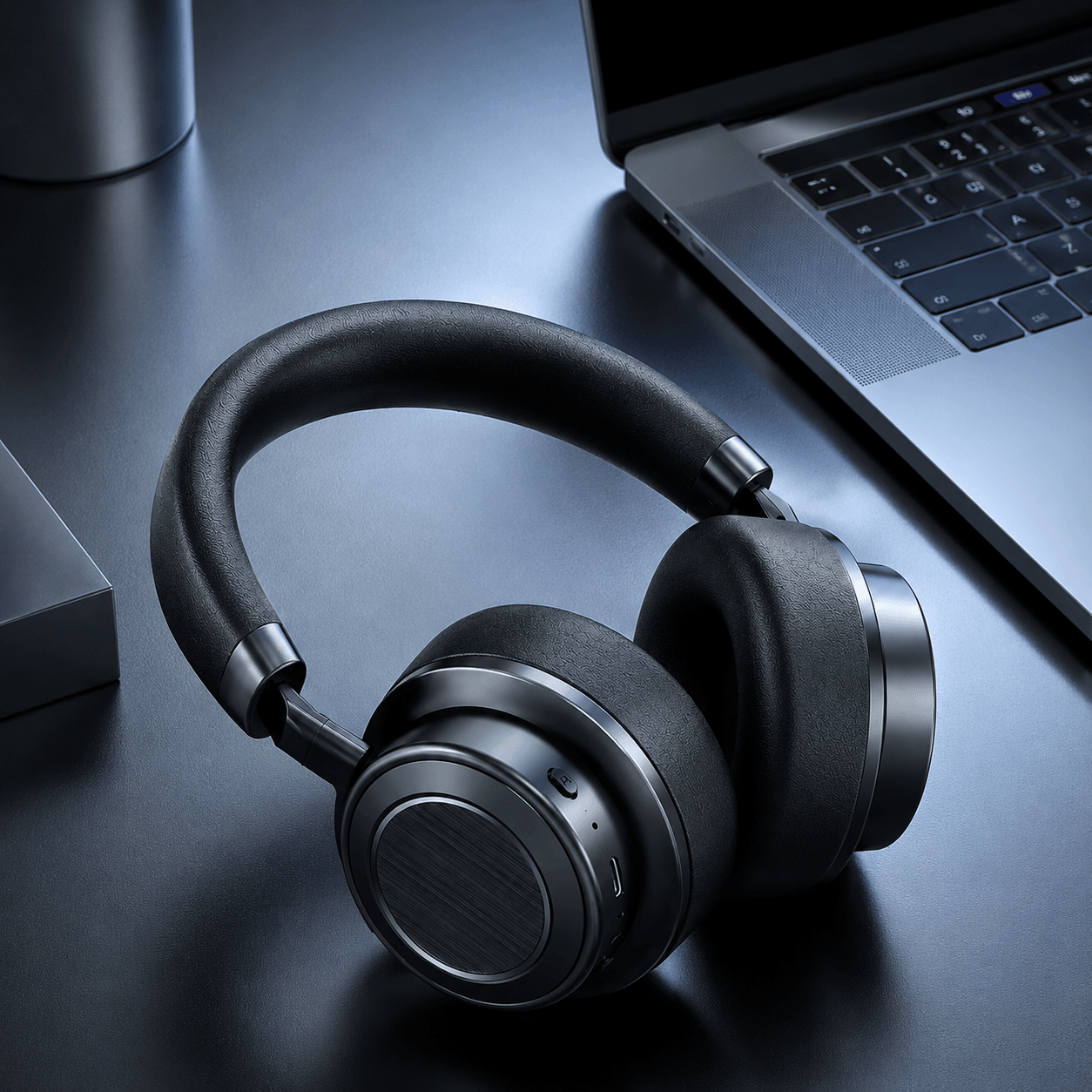
As hybrid work, online learning, and mobile entertainment become normal, noise-cancelling headphones now support focused work, meetings, and travel rest as well as music. Users expect stable multi-device connectivity, clear call voice, and long-wear comfort. Competition therefore includes acoustic tuning, microphones, transparency mode, control logic, compatibility, battery management, and portability—not noise-cancellation strength alone.
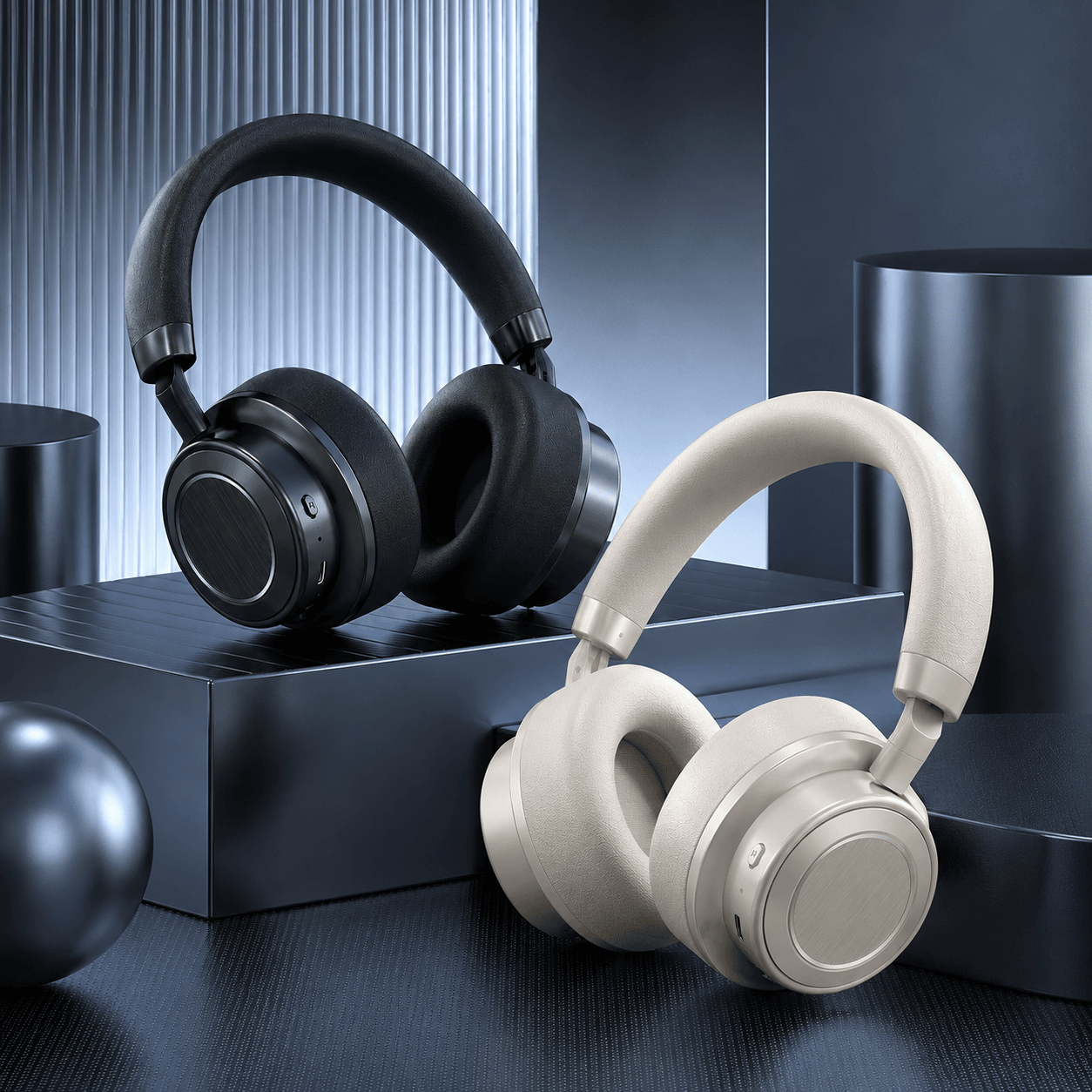
Comfort in over-ear products depends on structural details. Headband pressure, ear-cup opening, cushion material, total weight, and hinge angle affect different head shapes. A tighter seal generally improves isolation but may increase heat or clamping pressure. Prototype validation should cover quiet rooms, open offices, and transport and include extended trials with different users. Audio evaluation should compare ANC on, ANC off, and transparency mode to confirm reasonable volume and tonal consistency.
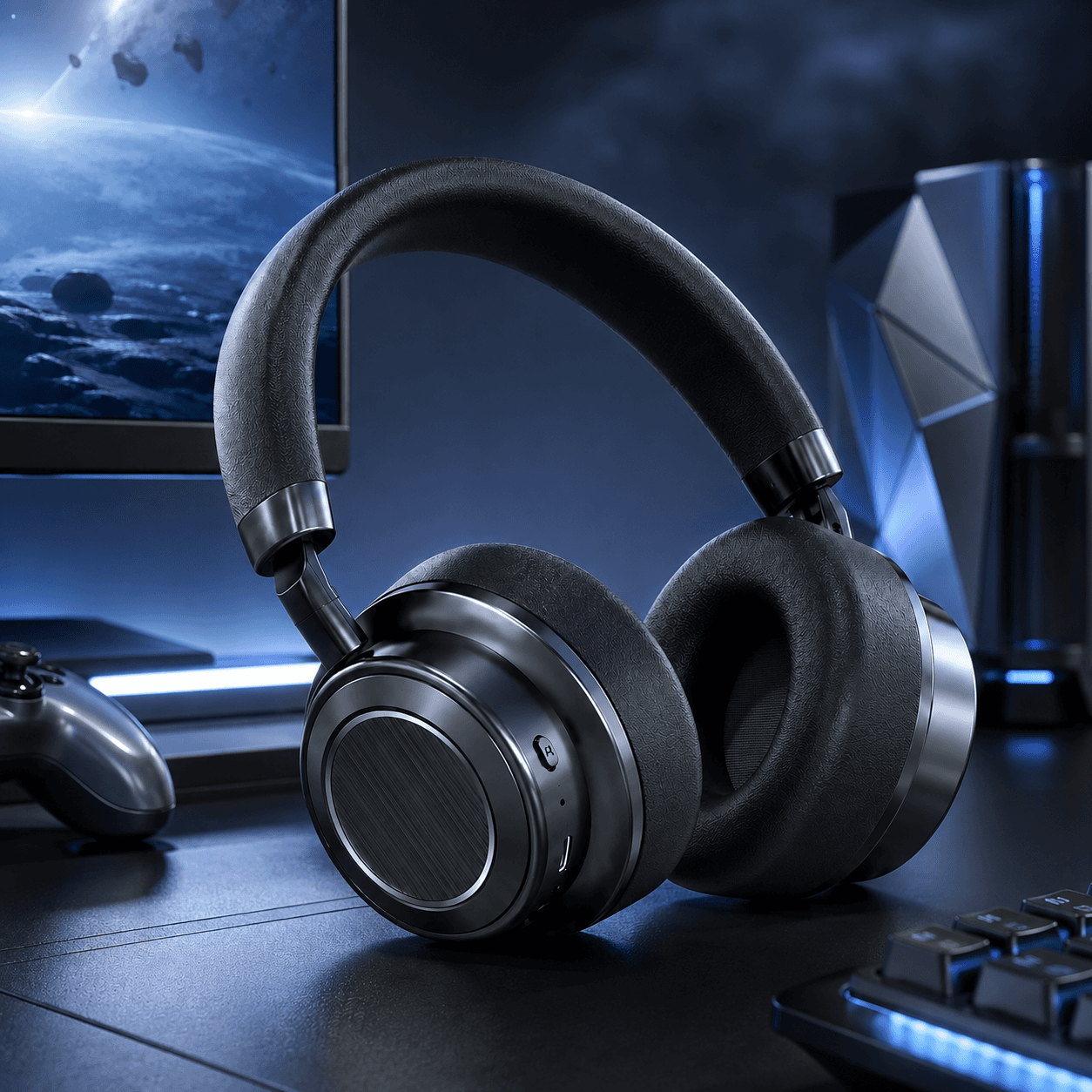
ANC over-ear headphones still offer substantial differentiation for audio brands and channel customers. Materials, folding structure, button layout, colors, notification sounds, packaging, and accessories can be customized, with priorities tailored to business travel, study, or general entertainment. Market information can guide direction, but rankings, reviews, and performance claims cannot replace project testing. The final product should balance noise cancellation, sound, comfort, and cost through clear requirements, engineering prototypes, reliability validation, and mutually confirmed specifications.
← Back to news